A garden doesn't have to be huge or filled with expensive features to look good. Sometimes, a new patio, a fresh lawn or a few well-planned changes can make the whole space feel different.
The tricky part is knowing where to start. You might want somewhere to sit outside on sunny afternoons, a lawn where the family can spend time together, or a garden that looks good without needing hours of maintenance every weekend.
The good news is that you don't have to change everything at once. These garden makeover ideas will help you explore what's possible, whether you're working with a small garden, a tired outdoor space or a larger area that's ready for a complete transformation.
1. Create a Patio That Becomes an Extension of Your Home
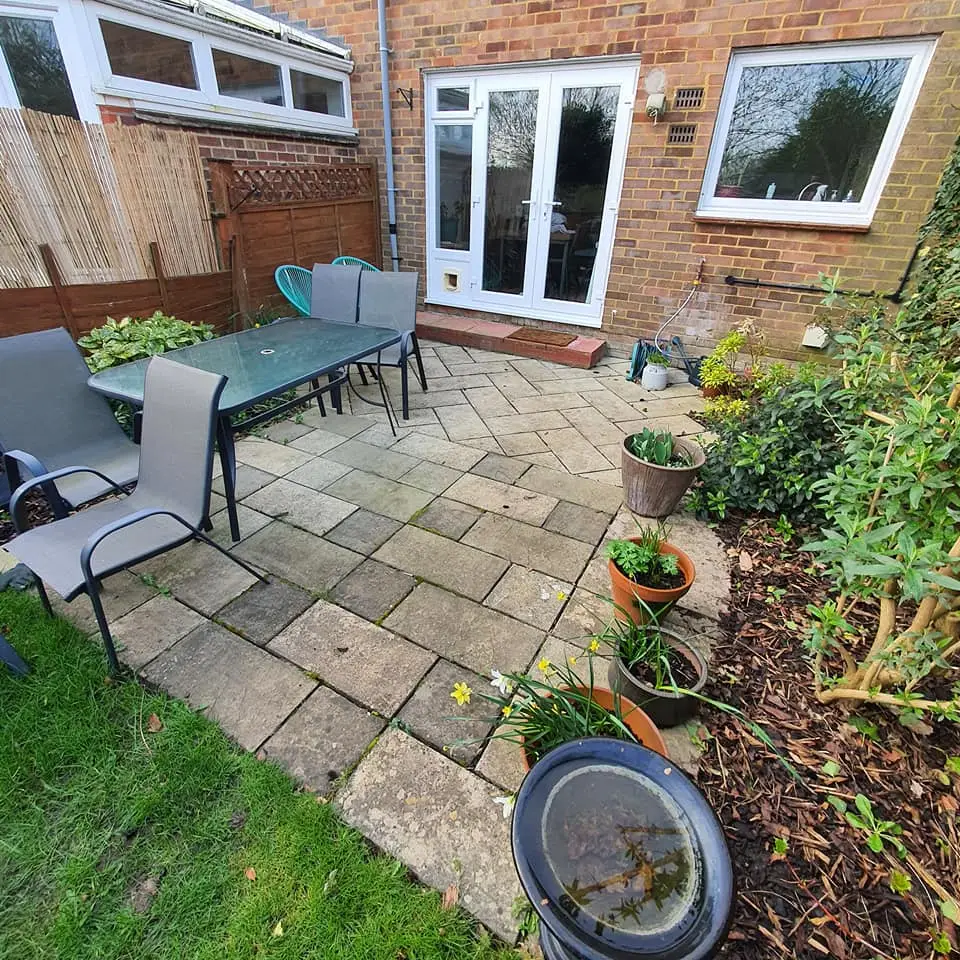
If your garden doesn't have a comfortable place to sit, adding a patio is a good place to start. It gives you a dedicated area for outdoor dining, morning coffee or simply relaxing when the weather allows.
The material you choose makes a noticeable difference. Natural stone can give a garden a traditional feel, while porcelain paving offers a cleaner, more contemporary finish. The colour and layout also matter, especially if you want the patio to complement your home rather than look like a separate addition.
Think about how you'll use the space before deciding on its size. A small seating area may be enough for a compact garden, while a larger patio could accommodate a dining table and outdoor furniture.
If you're considering a new patio, take a look at our patio installation services for ideas on paving materials, finishes and layouts.
2. Give Your Garden a Fresh Start with a New Lawn
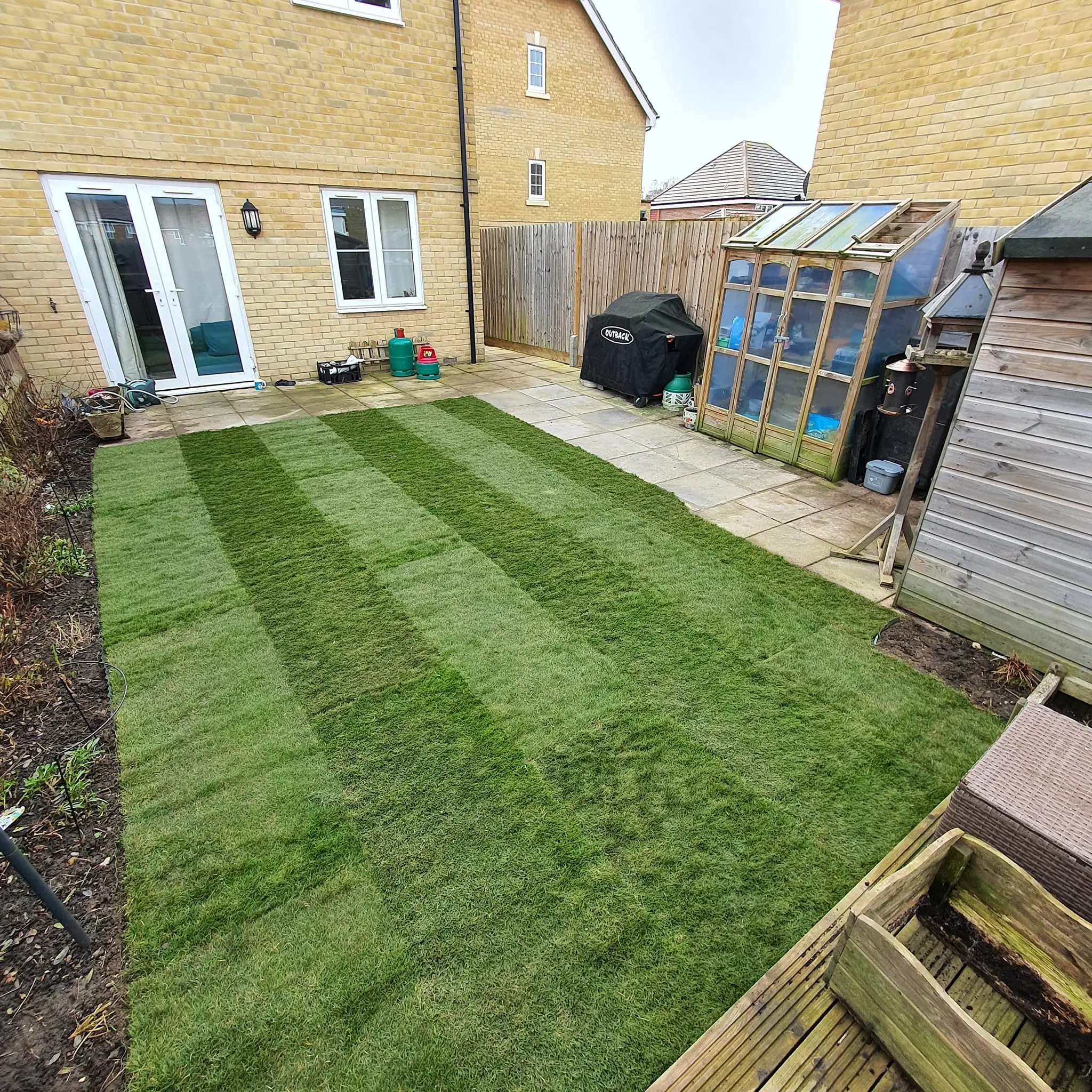
A patchy, uneven or worn-out lawn can make an otherwise attractive garden feel neglected. Replacing it with fresh turf is one way to create a cleaner appearance and give the rest of the garden a better starting point.
Natural grass is a good option if you enjoy the look and feel of a real lawn and have time for regular mowing and seasonal care. Artificial grass may suit households that want a consistently green surface without the same mowing requirements, although it still needs occasional cleaning and maintenance.
Before choosing either option, consider how much sunlight your garden receives, how well the ground drains and how the space will be used. A lawn that looks great in photographs won't necessarily be the right choice for every garden.
Our turfing and artificial grass services offer options for homeowners looking to refresh their outdoor space.
3. Add Shape and Interest with Thoughtful Landscaping
A garden can have all the right features and still feel unfinished if everything is arranged without much thought. This is where landscaping makes a difference.
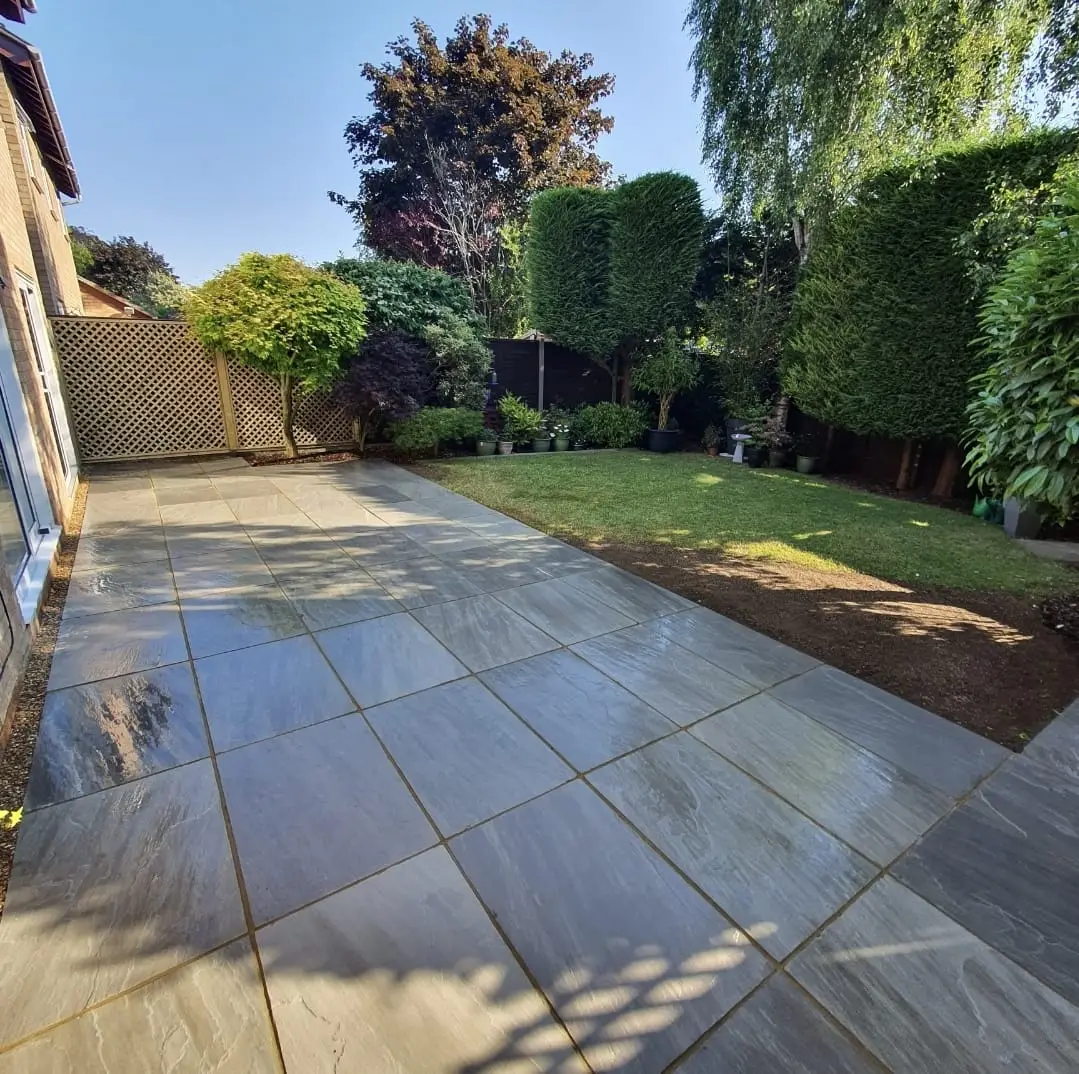
Instead of treating the garden as one large, open area, think about how different sections could work together. A lawn might sit alongside a paved seating area, with planting beds softening the edges. Changes in level, carefully positioned borders or a clear pathway can also help give the space more structure.
You don't necessarily need lots of features. In fact, keeping the layout simple often works better than trying to fit too much into one garden.
The Royal Horticultural Society's garden design advice is a useful starting point if you're still exploring layouts, planting styles and ways to make better use of your space.
For a more complete transformation, our landscaping services in Surrey can help you explore the options available for your property.
4. Upgrade Old Fencing for a Cleaner Finish
Fencing isn't always the first thing people think about when planning a garden makeover, but it can have a big effect on the overall appearance.
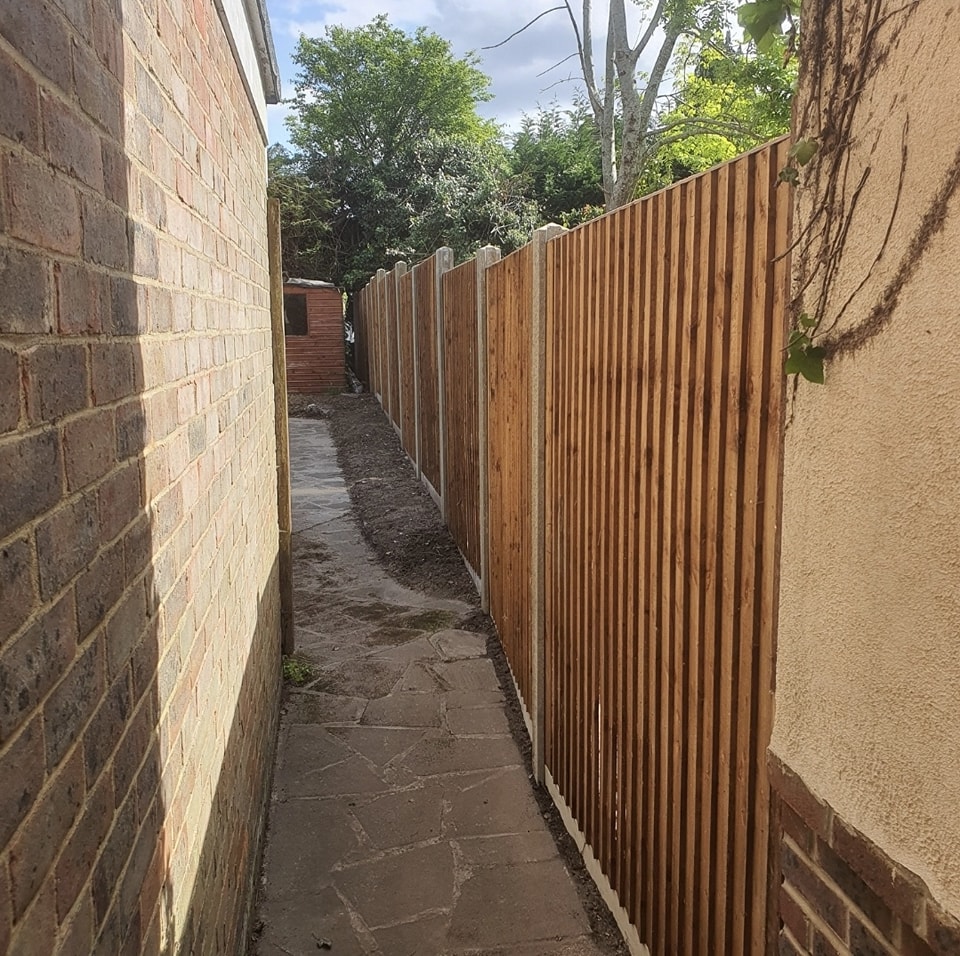
Old panels, damaged posts or a boundary that doesn't suit the rest of the garden can make the space feel untidy. Replacing the fencing can give the garden a more consistent finish while helping create privacy and define the boundaries of your outdoor space.
The right style depends on the property and the look you're after. Traditional timber fencing can work well in many residential gardens, while simpler designs may suit a more contemporary layout.
It's also worth thinking about what you'll see from inside the house. Your fence is part of the view from your windows, so choosing a finish that works with your patio, lawn and planting can help bring everything together.
If your existing boundary needs attention, explore our fencing and landscaping coverage to find out more about the services available in your area.

5. Choose Garden Features That Are Easy to Maintain
Not everyone wants to spend their weekends mowing, weeding and tidying up. If you'd rather enjoy your garden than constantly work on it, a low-maintenance garden design could be worth considering.
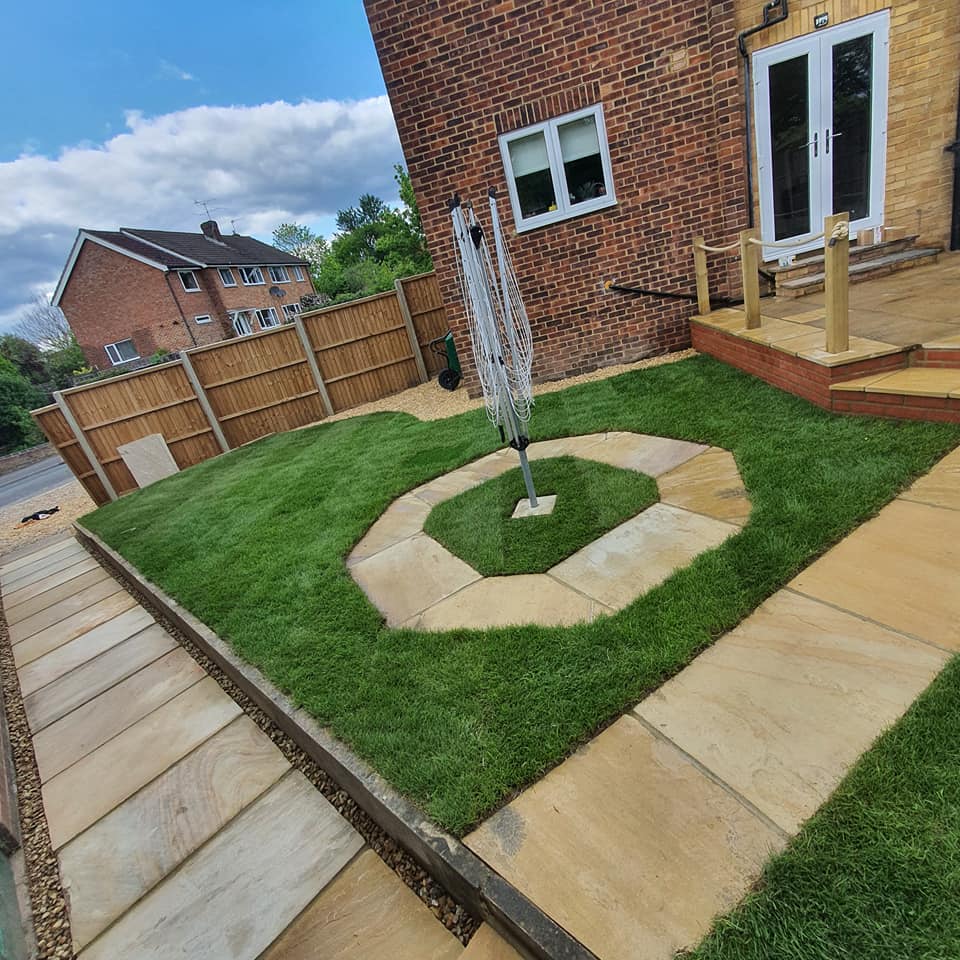
Paved seating areas, clearly defined borders and carefully chosen plants can help make outdoor spaces easier to manage. You might also consider reducing the size of a lawn if you rarely use it, or choosing planting that suits the conditions in your garden.
One thing to remember is that low maintenance doesn't mean no maintenance. Plants still need suitable care, paving may need occasional cleaning, and artificial grass requires attention to keep it looking its best.
The key is to choose features that fit your lifestyle. A garden designed around how you actually use it is much more likely to remain practical in the long run.
For further inspiration, the RHS has a helpful guide to low-maintenance gardening and garden design.
6. Make a Small Garden Feel More Spacious
A small garden can still have plenty of character. The secret is making every part of the space work harder.
Start by thinking about what you genuinely need. If outdoor dining is a priority, a well-positioned patio may be more useful than a large lawn. If you enjoy gardening, you might prefer planting borders and a smaller seating area instead.
Keeping the layout clear can also help. Too many different materials, features or bulky pieces of furniture can make a compact garden feel crowded. A consistent paving colour, a simple pathway and planting along the boundaries can create a more organised appearance.
Vertical space is worth considering, too. Suitable climbing plants, wall-mounted planters or carefully positioned containers can introduce greenery without taking up as much floor space.
Before making changes, measure the garden and sketch out a few possible layouts. It can help you spot awkward corners and understand how much room you'll have once furniture and other features are in place.
7. Bring the Garden to Life with Planting and Borders
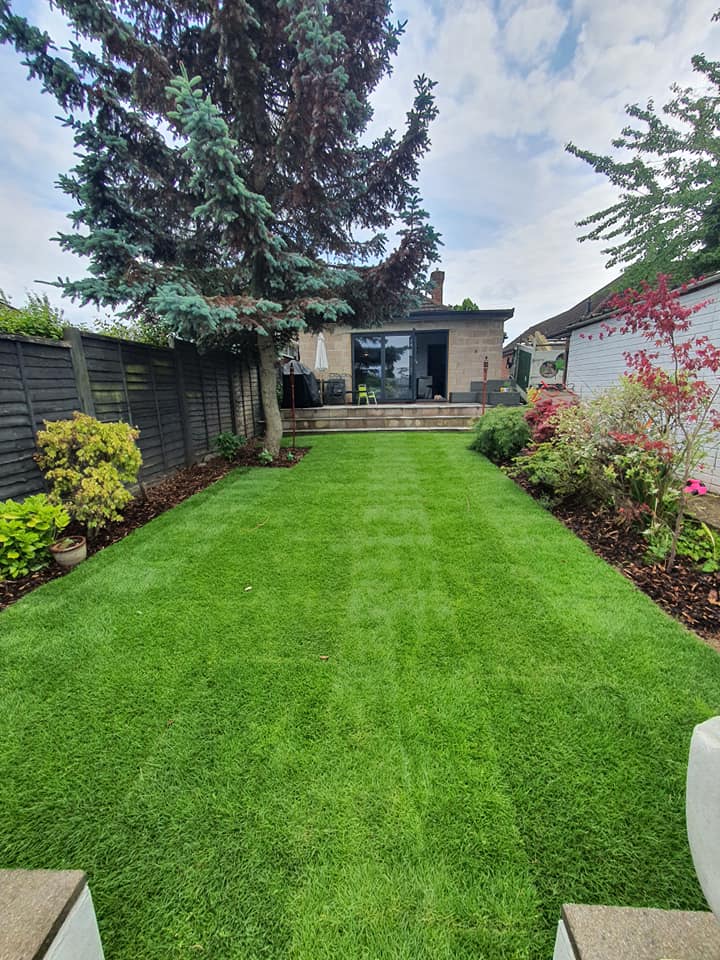
Paving and lawns provide the structure, but planting helps a garden feel more natural and inviting.
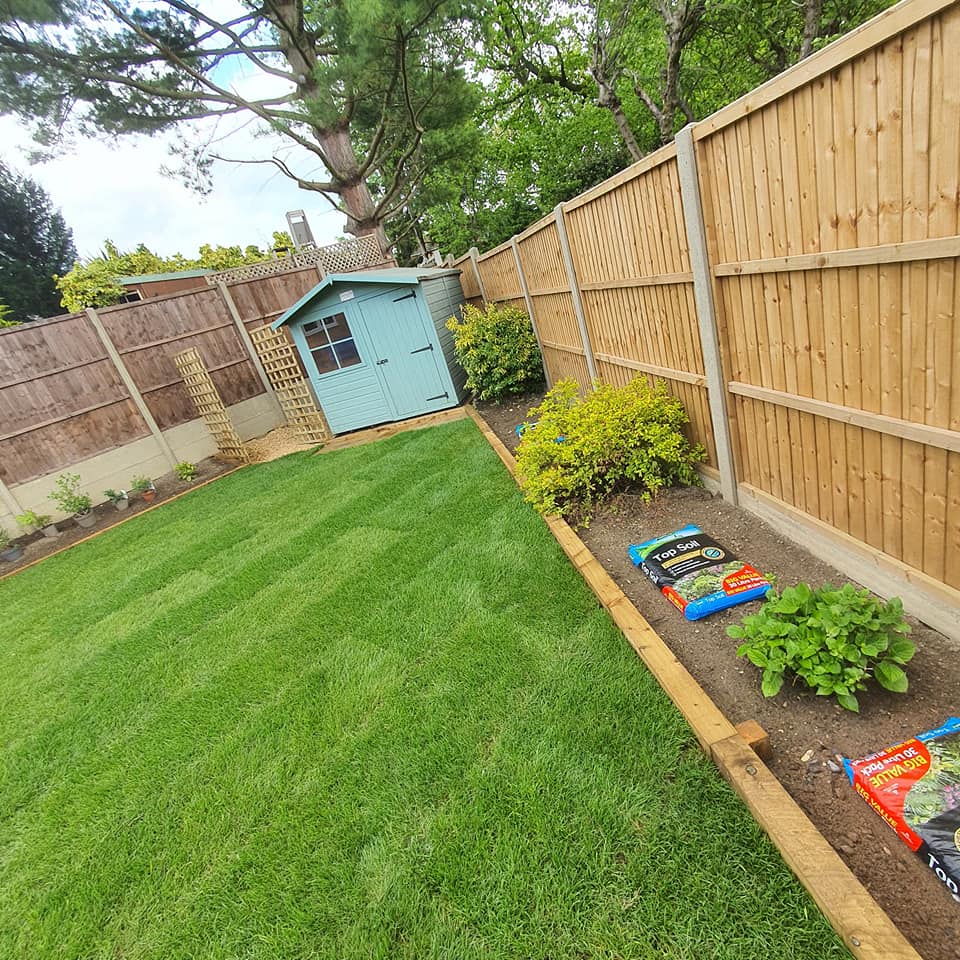
Garden borders can introduce colour, texture and height, while shrubs and smaller plants can soften the edges of paths and patios. You could choose a more colourful planting scheme or keep things simple with different shades of green and a few seasonal flowers.
The important thing is to choose plants that suit the conditions. A sunny border will have different requirements from a shaded corner, and soil type can influence which plants will thrive.
It's also worth thinking beyond the summer months. Combining plants with different flowering seasons, evergreen foliage and varied textures can help the garden remain interesting throughout the year.
If you're planning new borders, the RHS guide on how to plan a garden border explains what to consider before choosing and positioning plants.
8. Design an Outdoor Space for Entertaining
If you enjoy having friends and family over, your garden could become a useful extension of your indoor living space.
A patio with enough room for a table and chairs is a practical starting point. Depending on the available space, you could also include a separate seating area, outdoor lighting or planting that creates a little more privacy.
Try to keep the layout comfortable rather than filling every available corner. People need room to move between the house, seating areas and lawn without having to navigate around obstacles.
Think about access, too. A patio close to the house can be convenient for outdoor meals, while a seating area further down the garden might offer a quieter place to relax.
If this is the main purpose of your makeover, explore our patio design and installation options for inspiration.
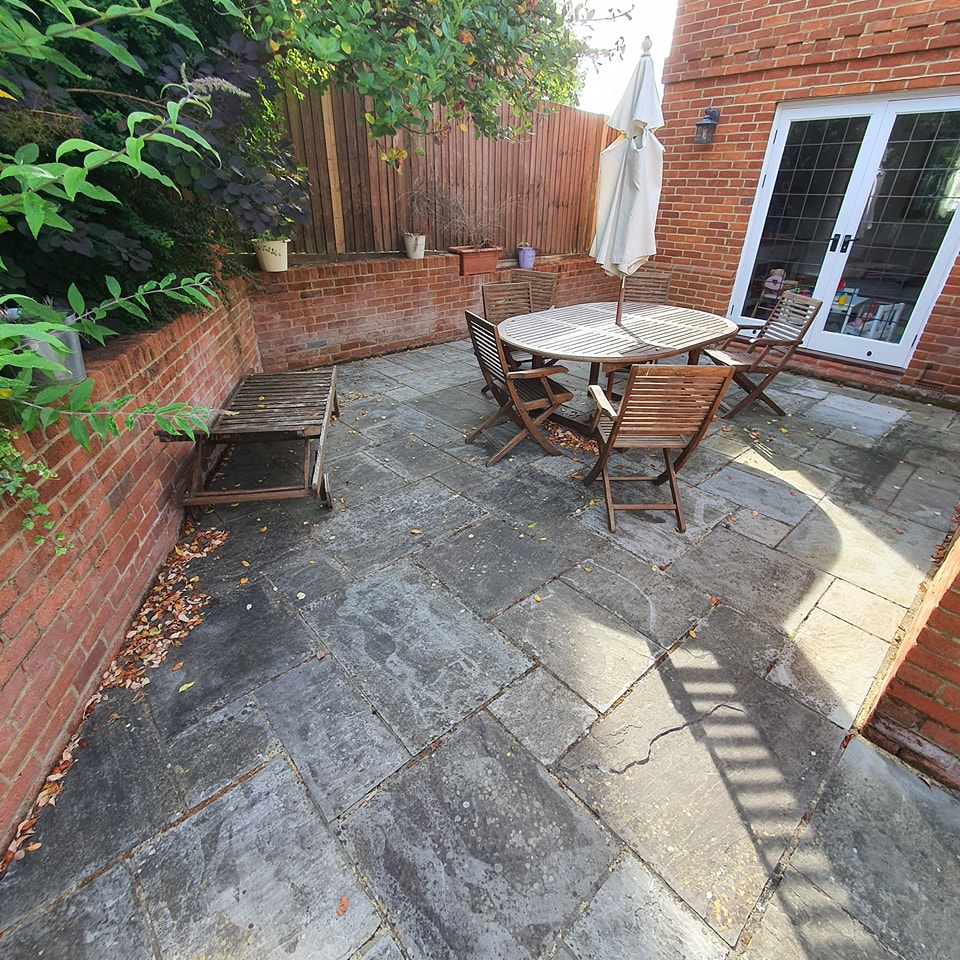
9. Sort Out Uneven Ground and Drainage Problems
Sometimes, a garden needs more than a cosmetic refresh. Uneven ground, standing water or poorly positioned paving can affect how comfortable and practical the space is to use.
Before installing a new lawn or patio, take time to understand the condition of the existing ground. Notice where water collects after heavy rain and whether paths or paved areas slope in the right direction.
Drainage is particularly important when changing the balance between planted areas and hard surfaces. Adding more paving without considering where rainwater will go can create problems elsewhere in the garden.
The RHS offers useful information about managing water in your garden, including ways to make garden design work with local conditions.
If your makeover involves significant ground preparation, levelling or drainage work, it's worth getting professional advice before choosing the final layout and materials.
10. Combine a Few Ideas for a Complete Garden Transformation
Some of the most effective garden makeovers don't rely on one standout feature. They work because several elements come together in a way that suits the property.
Imagine replacing an old patio, laying a fresh lawn, adding new fencing and introducing planting along the boundaries. Each improvement has its own purpose, but together they can make the garden feel more organised and enjoyable.
You don't have to complete every part of the project immediately. If your budget is limited, decide which changes will make the biggest difference first and plan the remaining work around them.
It's also sensible to consider the order in which the work needs to happen. Ground preparation, drainage and major landscaping should generally be planned before the finishing touches are added. That way, you can avoid disturbing newly installed features when it's time to tackle the next stage.
If you're looking for inspiration from completed projects, visit our Prestige Garden Maintenance gallery to see examples of our landscaping, paving, patio and fencing work.
How Much Does a Garden Makeover Cost?
The cost of a garden makeover depends on what needs to be changed, the size of the area and the materials you choose.
Refreshing a lawn or improving a small planting bed will generally involve a different level of work from a complete redesign that includes new paving, fencing, ground preparation and drainage.
Access can also affect a project. A garden with narrow side access may require a different approach to one where materials and machinery can reach the work area easily.
Rather than starting with a fixed figure, make a list of the improvements you want and decide which ones matter most. A clear plan makes it easier to compare quotations and understand what's included.
For a general guide to garden makeover costs, Checkatrade's garden makeover cost guide provides indicative UK prices for different landscaping features. These are estimates rather than a quotation for your particular garden, so costs should always be checked against the scope of the work.
Ready to Transform Your Garden?
A garden makeover doesn't have to mean starting from scratch. With the right combination of landscaping, paving, planting and practical features, you can create an outdoor space that suits your home and the way you live.
At Prestige Garden Maintenance, we work with homeowners across Surrey and the surrounding areas to improve outdoor spaces through tailored landscaping and garden projects. Whether you're considering a new patio, fresh turf, updated fencing or a more complete transformation, the first step is deciding what you want your garden to do for you.
Take a look at our garden and landscaping projects for inspiration, or contact Prestige Garden Maintenance to discuss your ideas and request a quotation.
Frequently Asked Questions
Start by deciding how you want to use the space. A new patio, fresh lawn, improved fencing or better planting can all make a difference, but the best combination depends on your garden's size, condition and your priorities.
Focus on the changes that will have the greatest impact. You might refresh an existing lawn, improve the planting, tidy the borders or update one area at a time rather than redesigning the entire garden.
Simple layouts, consistent materials, clean paving lines and carefully chosen planting can create a contemporary look. Porcelain paving is one option for a modern patio, while restrained colours can help different features work together.
Yes, depending on the shape and size of the garden. The important thing is balancing the two so neither feels cramped. In some spaces, a compact lawn and a modest seating area work well together; in others, a larger patio with planting may be more practical.
It depends on the work involved. Some landscaping and paving projects can be carried out at different times of year, while planting and lawn establishment depend on weather and ground conditions. Planning ahead can help you choose a suitable time for your particular project.